If you have a delicate nervous system, you know very well how hard everyday life can be. The loud noise, the bright lights, the talkative people and the daily tasks are enough to make you feel tired even before the day starts. To make things worse, coffee and energy drinks you consume only worsen your condition. Without caffeine you are weak and tired, and with caffeine you are nervous and irritable. But for people like you, there are many natural energy amplifiers that will help you, and at the same time they will be good for your body.

These amplifiers are mostly herbs, flowers and spices. They are a much healthier alternative to energy drinks because they do not contain additives and are full of vitamins, minerals and nutrients. On the other hand, a 2015 survey showed that energy drinks have a negative impact on the heart, metabolism, intestines, teeth, brain, and increase anxiety.
Maca Root

You can take the root of maca in a powder that you add to your tee or breakfast, or you can consume it as a tea. This plant supports your adrenal gland and originates from the Andes in Peru. People from this region use the root of maca for thousands of years as an energy amplifier.
Benefits: Considered as superfluous. The root of maca not only increases your energy, but is also used for infertility, such as aphrodisiac and for balancing hormones.
Taste: It has a good taste that resembles barley.
Caffeine: The root causes no caffeine.
Vitamins and minerals: Calcium, phosphorus, zinc, magnesium, vitamins B1, B2, B12, C and E.
Yerba Mate

Yerba Mate comes from Brazil, Paraguay and Argentina where it has been taken from local residents for a long time. The leaves and trunks of the plant are ripped in water and creates a strong stimulant of the nervous system.
Benefits: This plant not only increases your energy, it is full of antioxidants, increases concentration and physical endurance, it is good for the heart, and even good for weight loss because it creates a feeling of satiety.
Taste: Yerba Mate tastes like bitter coffee, but it can be sweetened with other herbs or sugar substitutes like flour of coconut or agave nectar.
Caffeine: Yerba mate has caffeine, but is one of the best coffee alternatives because it rarely has side effects.
Vitamins and minerals: Contains vitamins C, B1, B2, as well as zinc, chromium, potassium, copper, iron and manganese. There are also many amino and fatty acids.
Sencha and Matcha green tea benefits

Sencha is a green tea that is grown in Japan. In fact, this tea is the most popular in Japan and is prepared by boiling whole sheets.
Benefits: Enhances energy, rich in antioxidants, stimulates the mind, lowers blood pressure, regulates blood sugar levels, strengthens teeth, boosts attenuation, and reduces the risk of cancer.
Taste: Sencha tea has a slightly sweet taste that resembles grass.
Caffeine: Tea tea contains caffeine.
Vitamins and minerals: Theanine, chlorophyll, fluorine, potassium, iron, calcium, manganese, folic acid, vitamins C, B2 and E.
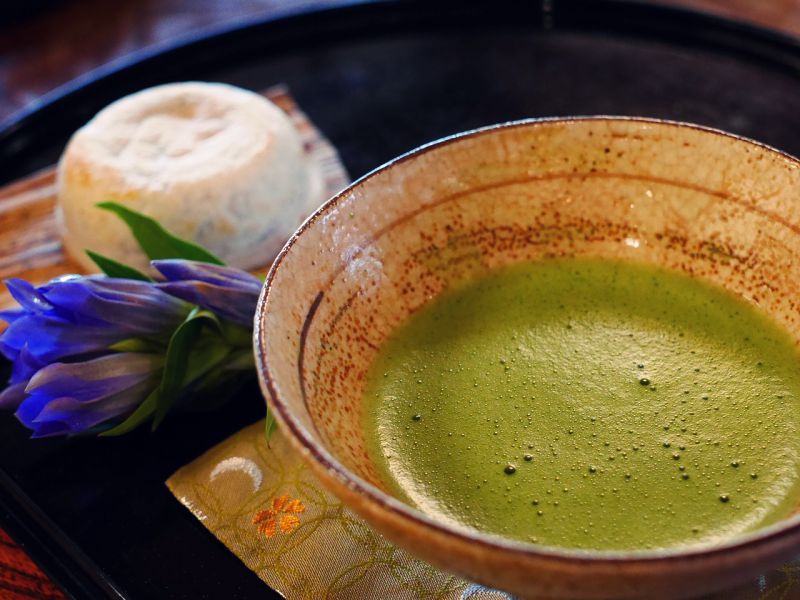
Macha tea is used in traditional Chinese and Japanese rituals. In Zen Buddhism, the boiling tea is prepared during a ceremony and is used to increase the attention.
Benefits: Macha tea is described as a calming stimulant. It is good for detoxification of the body, increases the level of energy and physical durability, improves memory, reduces the risk of cancer and premature aging and maintains the health of the heart.
Taste: the tea has a taste similar to milk.
Caffeine: the tea contains caffeine.
Vitamins and minerals: L-theanine, chlorophyll, catechins, polyphenols, vitamins A, B, C, E and K.
Ginkgo biloba

This tree has been used in Chinese medicine for thousands of years. In fact, this is one of the oldest trees and its origin dates back to 270 million years ago.
Benefits: Ginkgo Biloba increases your energy and concentration by improving blood circulation and relieving stress. It also relieves PMS symptoms, heals headaches and soothes the nervous system. Ginkgo biloba is also known for the ability to reduce anxiety and depression.
Flavor: There is a little sweet and bitter taste.
Caffeine: Ginkgo biloba does not contain caffeine.
Vitamins and Minerals: High levels of flavonoids and terpenoids (antioxidants).
Raw cocoa

Raw cocoa is a fermented cocoa plant seeds. It is done by cold extraction of raw cocoa beans in order to preserve nutrients. Do not mix with regular cocoa which is roasted at high temperatures.
Benefits: Cocoa cheese not only increases the level of energy, but is also known as a natural antidepressant. Cocoa lowers blood pressure, protects the nervous system, reduces insulin resistance, protects the body from toxins and reduces the risk of cardiovascular disease.
Taste: Cocoa cheese has a taste of chocolate. It can be a bit bitter, but you can sweeten it with coconut nectar or sugar, agave syrup or stevia.
Caffeine: Raw cocoa contains caffeine, but it is good for people who are sensitive to it.
Vitamins and Minerals: Cocoa is the best natural source of iron. It is also rich in magnesium, potassium, zinc, copper, calcium, manganese and vitamins E, B2, B1, B5, B3 and B9.
Masala tea

This blend comes from India and contains cinnamon, ginger, black tea, pepper … Although it is usually prepared with milk and sugar, you can also consume it without these ingredients.
Benefits: Increases energy, reduces inflammation, and treats the body due to the large number of antioxidants. It also improves digestion.
Taste: It has a great exotic taste that is a bit sweet and angry.
Caffeine: Mashala tea has very little caffeine.
Vitamins and Minerals: Antioxidants, potassium, calcium, thiamine, magnesium, manganese, iron, vitamins A, B, C, D, E and K.